Stress and Anxiety: A Continuum
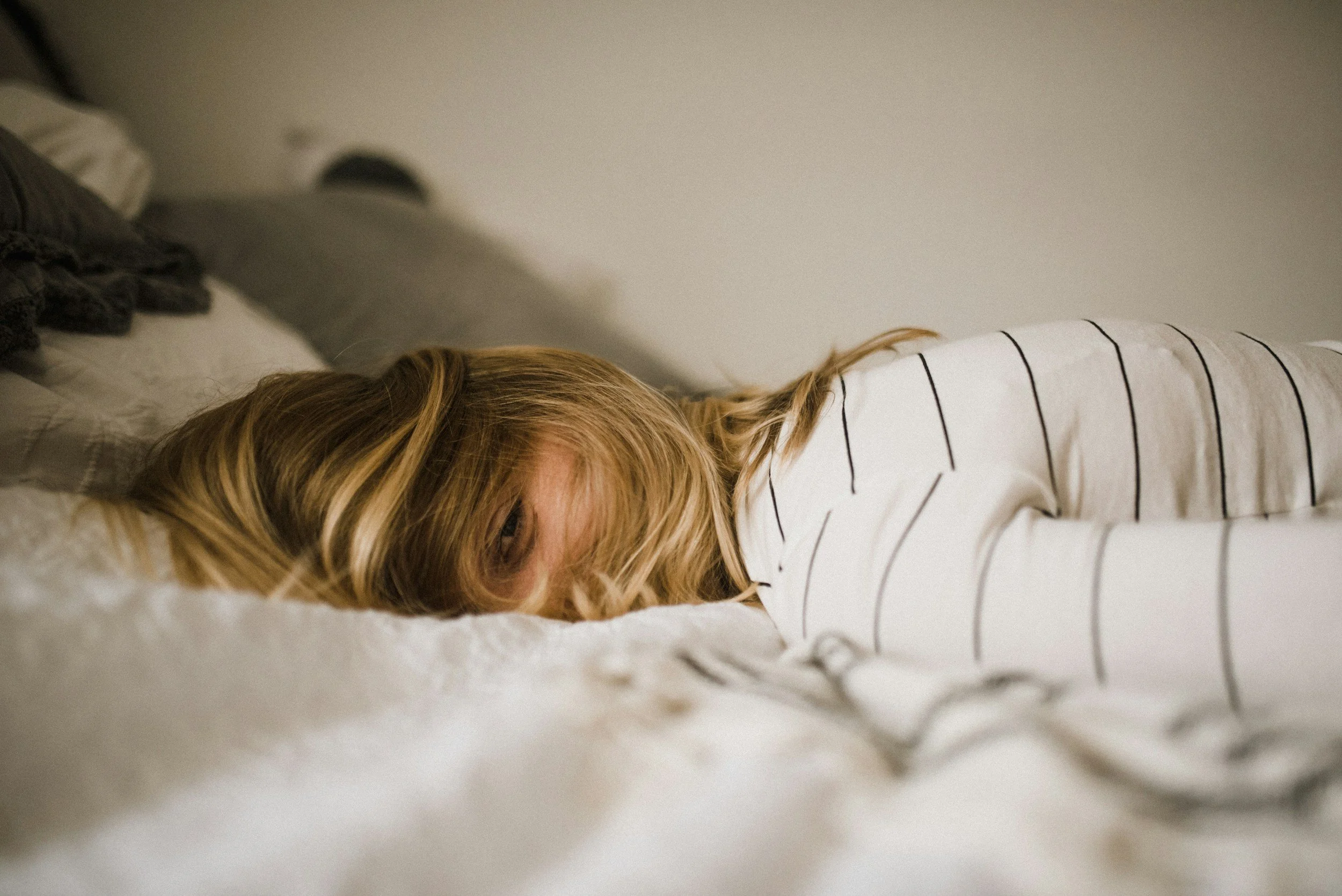
We almost never hear about stress anymore except as it affects physical health. And there's a good reason for that - we live in a world now, both online and offline, where specific triggers of stress are continuous and ongoing. What once was situational and, therefore, potentially resolvable, is now 24/7, which makes it an inescapable state of being.
Back in the day, we didn't diagnose, pathologize, nor medicate for stress. It was for stressful situations that deep breathing, going for a walk, taking a hot bath, and relaxing was prudent advice. Because reducing the sensory overload actually helped to clear the mind and body and allow space for creative problem-solving to emerge.
Stress = growth opportunity
Anxiety = immobilization
The same does not hold true for anxiety; anyone who has experienced anxiety (me, included) knows this for a fact. Anxiety (unknown fear, worry, panic) is so pervasive and all-consuming, the tricks that work well for stress reduction simply do not apply. So what do we do instead? We medicate.
For those of us who have suffered through anxiety, medication can be a saving grace because, mostly, it paves the way for a calmer mind, a calmer nervous system. It creates space for our neural pathways to regroup.
Anxiety is not a "normal" human condition but we have "normalized" it (and depression and numerous other mental health issues) simply because of the sheer numbers of people, adults and children, who have been diagnosed with it. We now claim our mental health diagnosis to be an integral facet of our identity - as though it is an unchangeable, wholly inexplicable thing that has befallen us.
Nothing could be further from the truth. By the time chronic stress (or unresolved trauma) has morphed into anxiety, medication may be the first line of defence for acute symptoms. But the more important track to healing is addressing the underlying causes, the roots of anxiety. It's time to take a hard look at how we got there. And it's time to take action.
The animal kingdom has a brilliant way of dealing with stressful situations. Animals, quite literally, shake it off. Once the danger has passed, the fear is immediately released from the body. Conversely, human beings hold on to the fear under the mistaken belief that it will keep us safe and ward off dangers.
“For people with post-traumatic stress disorder (PTSD), for example, the body can get stuck in a cycle of fear, long after the initial trauma has ended. Fear, stress, and anxiety become lodged in the body, and unless we find a way to release them, that tension can persist. ”
What Can We Do To Minimize Anxiety?
It might help to view anxiety as a heat that needs to be cooled; an overstimulation of our sensory systems; a bombardment of information and distractions. In his groundbreaking work, Simplicity Parenting, Kim John Payne names the state of Soul Fever:
" ... an emotional state where children (and adults) feel overwhelmed or out of balance due to stress or overstimulation. Unlike fleeting bad moods, soul fevers linger and manifest as amplified quirks or uncharacteristic behaviour."
The antidote, Payne argues, is to simplify: block out distractions, turn down the lights, prepare a calm environment, lower the stress bar, tune out the noise, employ gentle, consistent daily routines. This plan of action can be of benefit to both children and adults.
What About Children and Anxiety?
Anxious children are a recent phenomenon. The near-constant use of the internet and social media has turned our children into fearful, worrying, automatons. The adolescent brain is not fully formed until the age of 28. That's a whole lot of formative years exposed to the social engineering machinations of big tech and big corporation. Research now points, unequivocally, to the correlation between screen time and mental health illnesses, self-harm, poor self-image, disordered eating, addictions, and suicides amongst our young people. It is, as some have asserted, an epidemic of child abuse.
Unlike the Victorians, we know that children are not small adults and yet we burden them with adult problems. Children are naturally compassionate and sensitive to the pain of others but they lack the agency to effect change in the world. And they have zero context in which to process what they see on social media. Hence, a build-up hopelessness and all that entails psychologically.
Is There Hope?
The good news is, yes!, there is always hope. But it's going to take some bold action. Systems are in place that cause perpetual stress and, therefore, anxiety. No one is immune and that is by design. Studies show that emotionally unhappy people spend money - on clothes, food, alcohol/ drugs, travel etc., etc. There's money to be made in a miserable populace. Why do you think we are bombarded with ads at every turn, at every click on the keyboard? Why do you think social media is so addictive?
We have to break out of the binds and reclaim our autonomy. The best and most impactful change we can make right now is to shun social media and its counterparts. More and more people, of all ages, are trying this on, reclaiming their own sense of self and truth without the yell-y propagandists online.
I dream of a world free of social media in all its forms; free of Likes and Clicks and algorithms; free of hate speech and echo chambers; free of Al-generated fake news and fake grinning puppy memes; free of addictive programming; free of bots that lie to children.
Free from anxiety.
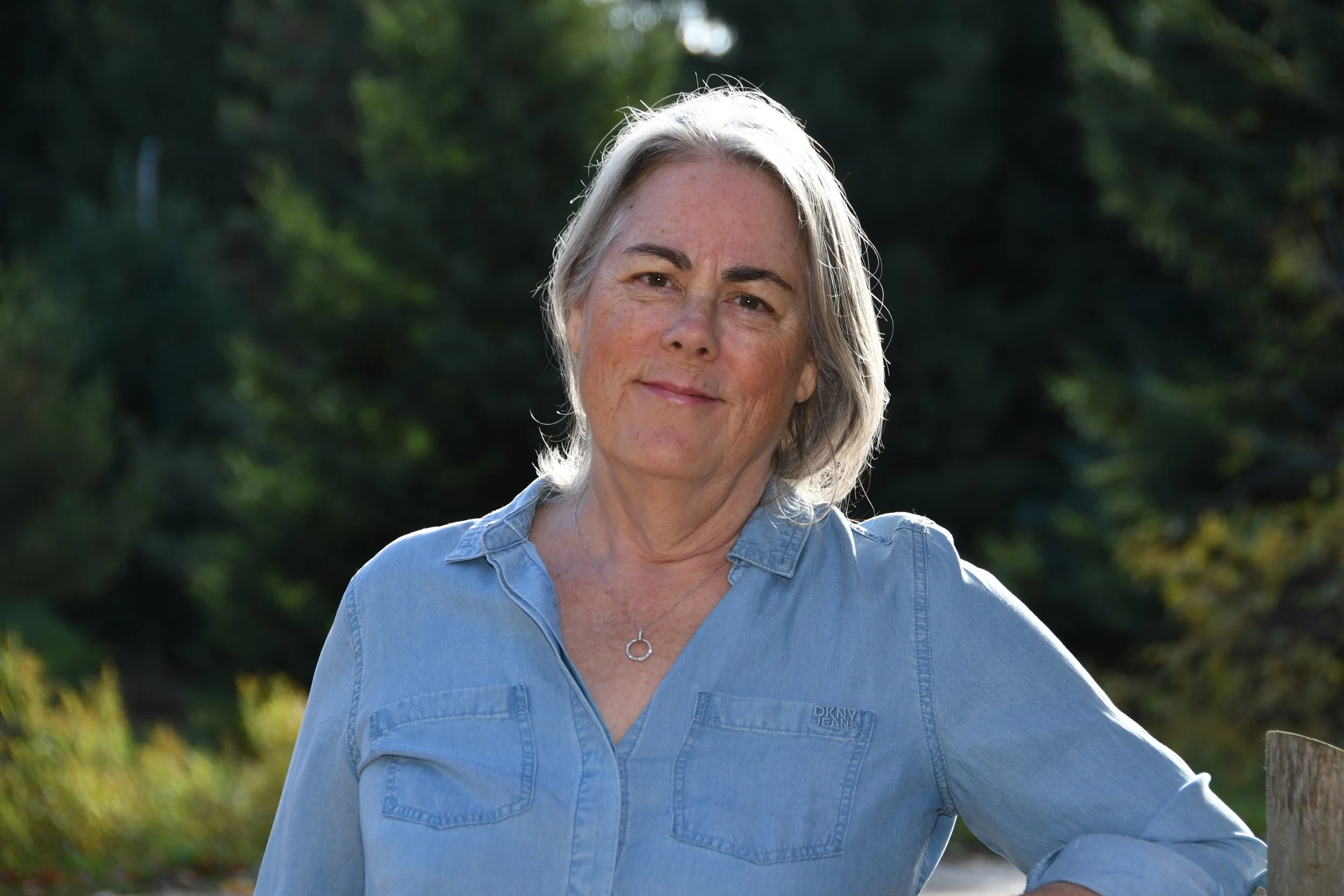
Dana Webster
Holistic Mental Health Counsellor
Based in Hockley Valley, Mono, ON